

WINDOW ADVICE • CANBERRA
Summer Glazing in Canberra: Balance Sun, Shade and Comfort
Summer glazing in Canberra is about balancing the whole year, not choosing the darkest glass for every room. A west-facing living area can need a different conversation from a shaded bedroom or a room that benefits from winter sunshine. Before requesting a replacement-window quote, record when the room becomes uncomfortable and what direct sun reaches the glass.
Make a simple room-by-room comfort brief
For each problem room, note its use, approximate window size, existing frame type and the time you notice heat or glare. Take photos from inside and outside, showing eaves, nearby structures and existing blinds. Describe the problem in everyday terms: afternoon glare on a screen, a dining area that becomes hot, or a bedroom that is difficult to cool. These details are more useful than asking for one universal ‘best glass’.
Check orientation and external shade together
The Australian Government’s YourHome shading guidance explains that shading should respond to window orientation. High summer sun on northern glazing and low-angle sun from the east or west present different design problems. Existing eaves may shade part of a window while leaving another part exposed. Ask your designer how the proposed glazing and available shade will work together.
This does not mean Performance Windows supplies every type of awning or landscape solution. It means the window specification should take the surrounding design into account. Bring proposed changes to pergolas, external blinds or planting into the discussion before you approve the window package.
Understand the two ratings people often confuse
U-value describes heat transfer through the assembly; a lower value indicates better insulation under the rating conditions. Solar heat gain coefficient, or SHGC, describes how much solar heat the assembly admits. A lower SHGC can reduce solar heat gain, but the appropriate choice also depends on orientation, shading and useful winter sun. YourHome’s glazing guide discusses this balance for Canberra’s cool climate.
Ask for ratings for the complete proposed window or door, with the actual frame and glass combination. Do not treat a centre-of-glass figure as interchangeable with a whole-window rating. Compare proposals on a consistent basis, and ask what changes when size, opening style or glass make-up changes.
Compare the frame, seals and installation scope
A glass description is only part of a quote. Review the frame system, opening arrangement, seals and installation detail as well. If you are comparing thermally broken window systems, ask for the specified assembly’s performance and suitability for your opening. Avoid assuming that a product label alone predicts the result in a particular room.
Include removal, fixing, weather sealing and surrounding finishes in the scope discussion. If another trade will complete part of the work, agree who is responsible and when it needs to happen. Clear scope makes technical options easier to compare.
Plan ventilation as a controllable feature
Openable windows can provide intentional ventilation, while unintended leakage through gaps is a separate issue. YourHome distinguishes ventilation from airtightness. Explain which openings you use and what practical constraints apply, such as screens, noise and access. Opening windows is not always the appropriate cooling strategy; outdoor conditions and air quality matter.
Keep the project photographs in perspective
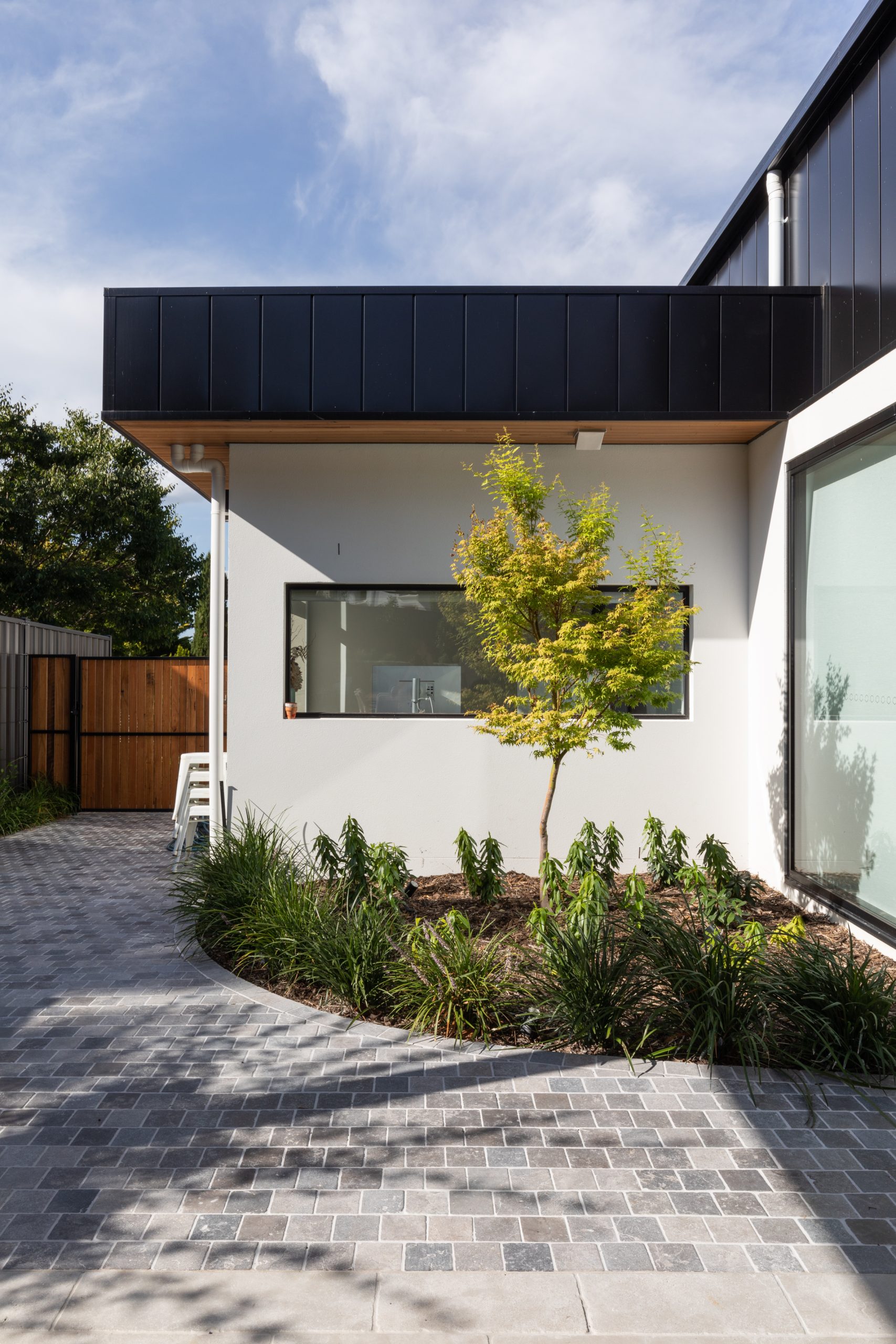
The Pearce Residence courtyard photograph shows how glazing sits alongside rooflines, walls and planting. It is a design reference, not a thermal test report. Use the image to explain the kind of outlook you like, then assess the proposed package against your own home’s conditions. For a broader comparison, read our double-glazing comparison guide.
Frequently asked questions
Will double glazing automatically stop a room overheating?
No single feature guarantees that result. Review solar exposure, shading, the glass and frame combination, ventilation and the rest of the building.
Should every window have the same SHGC?
Not automatically. Different orientations and shading conditions can call for different specifications. Ask the project team to explain the selection.
Discuss the rooms you want to improve
Contact Performance Windows with your suburb, photos, approximate opening sizes and a short room-by-room brief. Our Fyshwick team can discuss window and glazing options and the information needed for a quote.