Canberra made •
Improve winter comfort, summer control and acoustic performance by specifying the complete frame and glass system, rather than simply adding a second pane.
Start with the outcome you want: winter comfort, solar control, clearer views or reduced noise. These six options are a guide for discussion—not a substitute for a project-specific glass and frame specification.
Clear double glazing
Two panes of clear glass are separated by a sealed cavity. This provides a straightforward starting point for improving insulation compared with ordinary single glazing, while maintaining a clear view.
What to discuss: Compare the complete window’s thermal performance and whether a Low-E upgrade would better suit the opening. A second pane alone does not specify final performance.
Entry-level soft-coat Low-E
A factory-applied soft-coat Low-E coating is protected inside the sealed glass unit. It reduces radiant heat transfer and offers an insulation upgrade over a comparable uncoated unit.
What to discuss: Confirm the glass combination, cavity, gas fill and spacer included in the quote. “Entry-level” is an option to compare, not a fixed rating across every frame and window size.
High-performance soft-coat Low-E
A higher-performance specification combines an appropriate soft-coat Low-E glass with the cavity, gas fill and spacer selected for the project. The aim is to balance insulation, daylight and solar heat gain.
What to discuss: Compare whole-window U-value and SHGC, orientation and frame selection. Different elevations may benefit from different specifications.
High-performance + acoustic
An acoustic laminated pane can be incorporated into an insulated glass unit to address noise alongside thermal comfort. The laminate contains an interlayer designed for acoustic performance.
What to discuss: Discuss the type of noise, required acoustic rating and glass thicknesses. Seals, opening style and installation matter; double glazing is not automatically soundproof.
Hard-coat Low-E
A durable pyrolytic Low-E coating is bonded to the glass during manufacture. Although hard-coat glass can be used in single-glazed applications, a suitable product may also be incorporated into a double-glazed unit.
What to discuss: Confirm coating position, appearance, insulation and solar-control requirements with the supplier for the proposed insulated unit.
Combined soft- & hard-coat
If a project calls for both coating types within one double-glazed unit, the glass supplier must confirm compatible products and their positions on the separate glass surfaces.
What to discuss: Project-specific confirmation is required. Ask for verified thermal and solar values. Two coatings should not be assumed to outperform every single-coating option; availability and suitability must be confirmed before quotation.
Two panes of clear glass are separated by a sealed cavity. This provides a straightforward starting point for improving insulation compared with ordinary single glazing, while maintaining a clear view.
What to discuss: Compare the complete window’s thermal performance and whether a Low-E upgrade would better suit the opening. A second pane alone does not specify final performance.
A factory-applied soft-coat Low-E coating is protected inside the sealed glass unit. It reduces radiant heat transfer and offers an insulation upgrade over a comparable uncoated unit.
What to discuss: Confirm the glass combination, cavity, gas fill and spacer included in the quote. “Entry-level” is an option to compare, not a fixed rating across every frame and window size.
A higher-performance specification combines an appropriate soft-coat Low-E glass with the cavity, gas fill and spacer selected for the project. The aim is to balance insulation, daylight and solar heat gain.
What to discuss: Compare whole-window U-value and SHGC, orientation and frame selection. Different elevations may benefit from different specifications.
An acoustic laminated pane can be incorporated into an insulated glass unit to address noise alongside thermal comfort. The laminate contains an interlayer designed for acoustic performance.
What to discuss: Discuss the type of noise, required acoustic rating and glass thicknesses. Seals, opening style and installation matter; double glazing is not automatically soundproof.
A durable pyrolytic Low-E coating is bonded to the glass during manufacture. Although hard-coat glass can be used in single-glazed applications, a suitable product may also be incorporated into a double-glazed unit.
What to discuss: Confirm coating position, appearance, insulation and solar-control requirements with the supplier for the proposed insulated unit.
If a project calls for both coating types within one double-glazed unit, the glass supplier must confirm compatible products and their positions on the separate glass surfaces.
What to discuss: Project-specific confirmation is required. Ask for verified thermal and solar values. Two coatings should not be assumed to outperform every single-coating option; availability and suitability must be confirmed before quotation.
Low-E is a factory-applied coating, not an aftermarket window film. Final availability and performance depend on the complete unit and frame selected.
Hard-coat Low-E is bonded to hot glass on the manufacturing line. Soft-coat Low-E is deposited after the glass is made and is normally protected within the sealed double-glazing cavity. Soft-coat options generally offer stronger insulation performance, but the correct choice depends on the complete specification.
Compare U-value for insulation and SHGC for solar heat gain. Ask for whole-window values for the selected frame and glass, rather than comparing glass-only figures with whole-window ratings. Also consider visible light, appearance, noise and orientation.
Bring your plans, window schedule and priorities to our team so the proposed glass build-up can be checked before ordering.
Technical background: glass choices explained and hard-coat versus soft-coat Low-E.
Two quotes can both say ‘double glazing’ while delivering very different results. Compare glass make-up, cavity, Low-E coatings, spacers, frame type, seals and installation.
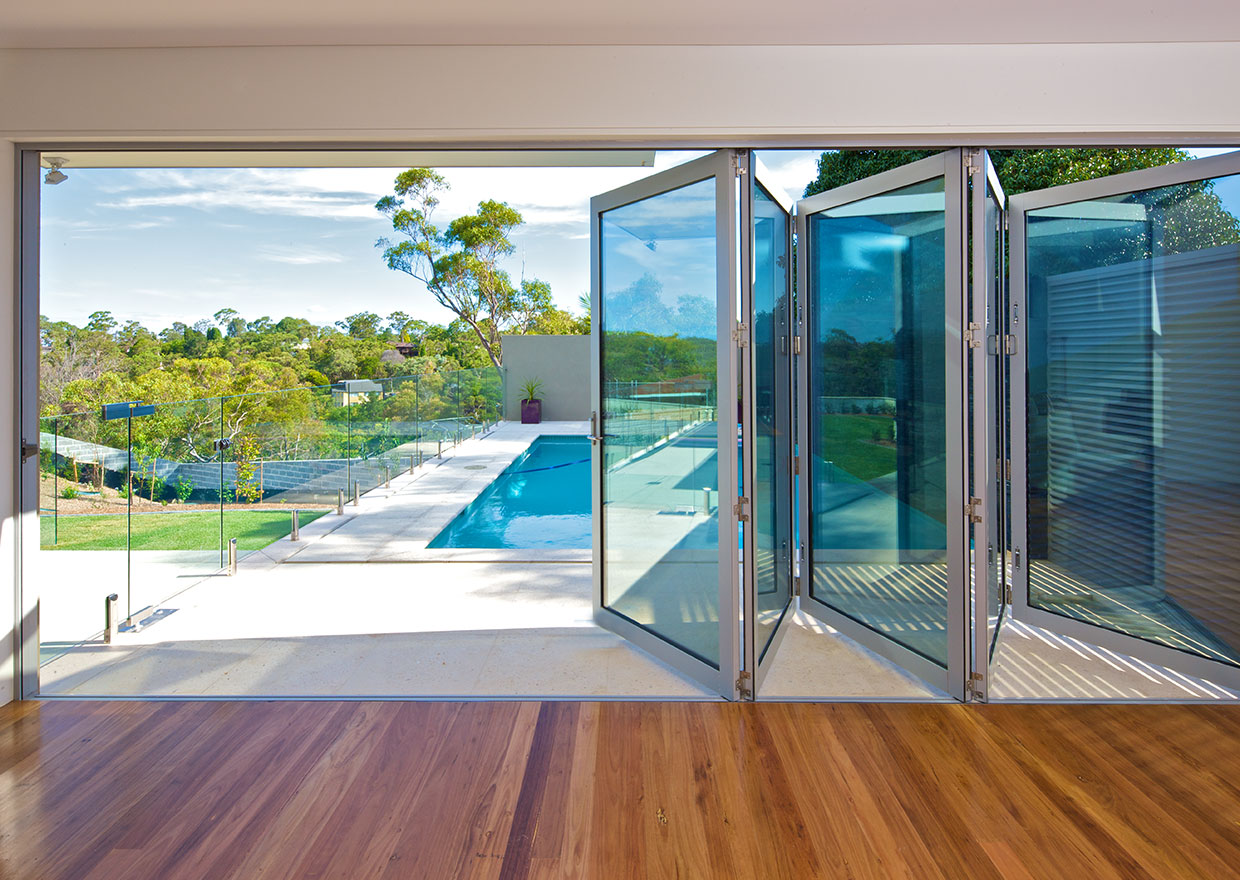
Double glazing is an insulated glass unit with two panes separated by a sealed cavity. The result depends on the glass, frame, seals and installation—not simply the number of panes.
A suitable double-glazed unit can reduce heat transfer compared with single glazing. Compare whole-window U-values, which include both glass and frame; lower values indicate better insulation. Use the project’s energy assessment to guide selection rather than assuming all double-glazed windows perform alike.
Solar heat gain coefficient (SHGC) describes how much solar heat passes through a window. Select it alongside orientation, shading and daylight needs: winter sun may be welcome in one room while an exposed west-facing room needs more solar control.
Noise reduction depends on the glass make-up, seals and the rest of the building. Warmer internal glazing surfaces may also help manage condensation, but indoor humidity and ventilation still matter. Share any acoustic report or persistent moisture concerns before the glass is selected.
PERFORMANCE WINDOWS
PROJECT NOTES
Real projects.
Practical advice.
Ideas made for your next opening.
Canberra-made. Project-led.
Join Project Notes for real Performance Windows projects, useful window and door advice, and product updates.
We use your details for the updates you request. Read our Privacy Policy.
